Lab Report #2
Lab Report #2 This Week in Financial Crime Lab Report #2 This Week in Financial Crime Lab Report #2 – This Week in Financial Crime Last week I wrote that the US had restructured its fraud prosecution architecture. This week, the new National Fraud Enforcement Division put numbers on the page, $340 million in enforcement […]
Lab Report #1
Lab Report #1 This Week in Financial Crime Lab report #1 This week in financial crime Lab report #1 – This week in financial crime This has been one of the most structurally significant weeks in financial crime policy in recent memory. The United States has fundamentally reorganised how it prosecutes fraud, the UK has […]
74,000 Years Ago, humans were about to survive a catastrophic disaster… but financial crime is bigger.

74,000 Years Ago, humans were about to survive a catastrophic disaster… but financial crime is bigger. 74,000 Years Ago, humans were about to survive a catastrophic disaster… but financial crime is bigger. 74,000 Years Ago, humans were about to survive a catastrophic disaster… but financial crime is bigger. Around 74,000 years ago, a supervolcano called […]
What are your real chances of being scammed in the UK?

What are your real chances of being scammed in the UK? What are your real chances of being scammed in the UK? What are your real chances of being scammed in the UK? Most people believe fraud happens to other people. The careless ones, the elderly, the ones who “don’t understand technology.” Statistically speaking, that […]
Procedural Injustice: The Hidden Cost of Fraud Controls

Procedural Injustice: The Hidden Cost of Fraud Controls Procedural Injustice: The Hidden Cost of Fraud Controls Procedural Injustice: A little while ago, I did a podcast with Chris Ward for the CCMA | Contact Centre Management Association (You can find out more info or take a listen here). Part of our conversation was about the […]
AI Credibility & The Loudest Lie

AI Credibility: AI doesn’t verify facts, it predicts plausibility. Why misinformation feedback loops matter for fraud, risk, and financial crime decision-making.
Podcast: Harm without violence.

New Podcast: In episode one of SCAM: Financial Crime by Design, criminologist Dr Nicola Harding explores how fraud causes harm without violence, why financial crime is misunderstood, and how trust, behaviour, and system design shape modern scams.
Elf On A Shelf vs Transaction Monitoring

What the Elf on the Shelf reveals about financial crime deterrence, and how visible AML design / transaction monitoring can build trust, shape behaviour, and prevent financial crime.
Personal Troubles, Public Issues

Fraud prevention is often discussed in terms of technology and regulation, but this article reveals the human reality behind the work. Reflecting on a Salv round-table with fraud leaders, MLROs, investigators, and product teams, it explores isolation, accountability, and the emotional weight of fighting increasingly organised financial crime – and why collaboration, honesty, and shared intelligence matter more than ever
The Human Side of the Insider Threat
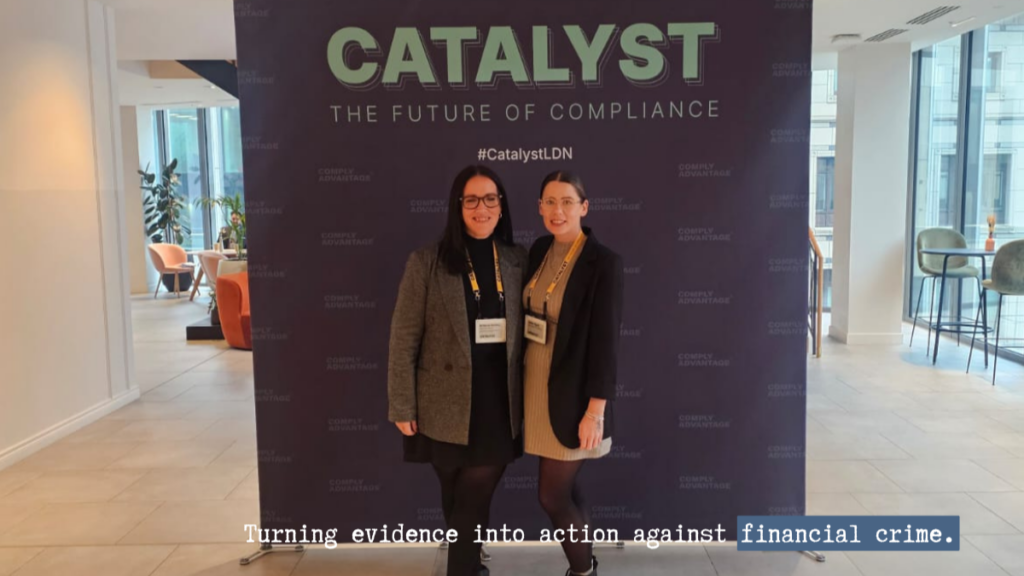
Fraud and insider threat are often framed as technical or compliance failures, but this article argues they are fundamentally human problems. Drawing on a fireside conversation at ComplyAdvantage’s Catalyst event, it explores how lived experience, addiction, vulnerability, and fragmented systems intersect to create insider risk, and why prevention must extend beyond controls to culture, wellbeing, and joined-up design.